
What I Wear Hiking: My Go-To Clothing System for Every Season

What you wear hiking can make or break your experience. The right layers keep you comfortable through changing weather, help regulate temperature on climbs, and protect you from sun, wind, and rain. Over time, I’ve dialed in a flexible system that works across seasons—from hot summer trails to colder alpine days.
This isn’t about packing more—it’s about packing smarter. I’ll walk through exactly what I wear, how I layer, and the options I rotate depending on conditions.
This post contains affiliate links, which means I may earn a small commission if you make a purchase—at no additional cost to you. This never influences my recommendations; I only share products and services I genuinely use and trust. I appreciate your support if you choose to shop through these links
My Hiking Clothing System
You can check out my clothes and gear here.
1. Base Layers (The Foundation)
Your base layer is what sits directly against your skin, so it should be breathable and moisture-wicking.
- Tops:
- Sun hoodies (my go-to): lightweight, breathable, and built-in sun protection without constantly reapplying sunscreen
- Moisture-wicking t-shirts or long sleeves
- Bottoms:
- Lightweight leggings or hiking pants depending on weather
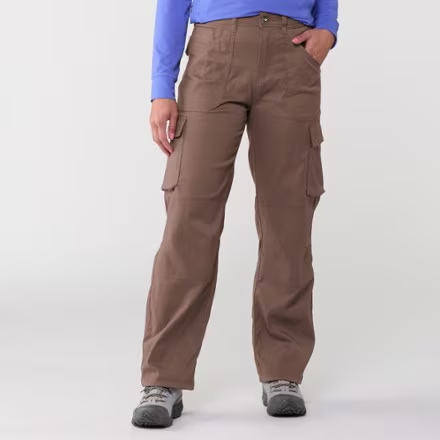
Why it matters: Staying dry is everything. Cotton is a no-go—it traps moisture and gets uncomfortable fast.

2. Mid Layers (Warmth & Insulation)
This layer traps heat and keeps you warm when temps drop—especially at higher elevations or during breaks.
- Fleece jacket or pullover
- Lightweight insulated jacket (down or synthetic)
When I use it: Early mornings, windy summits, or anytime I stop moving.
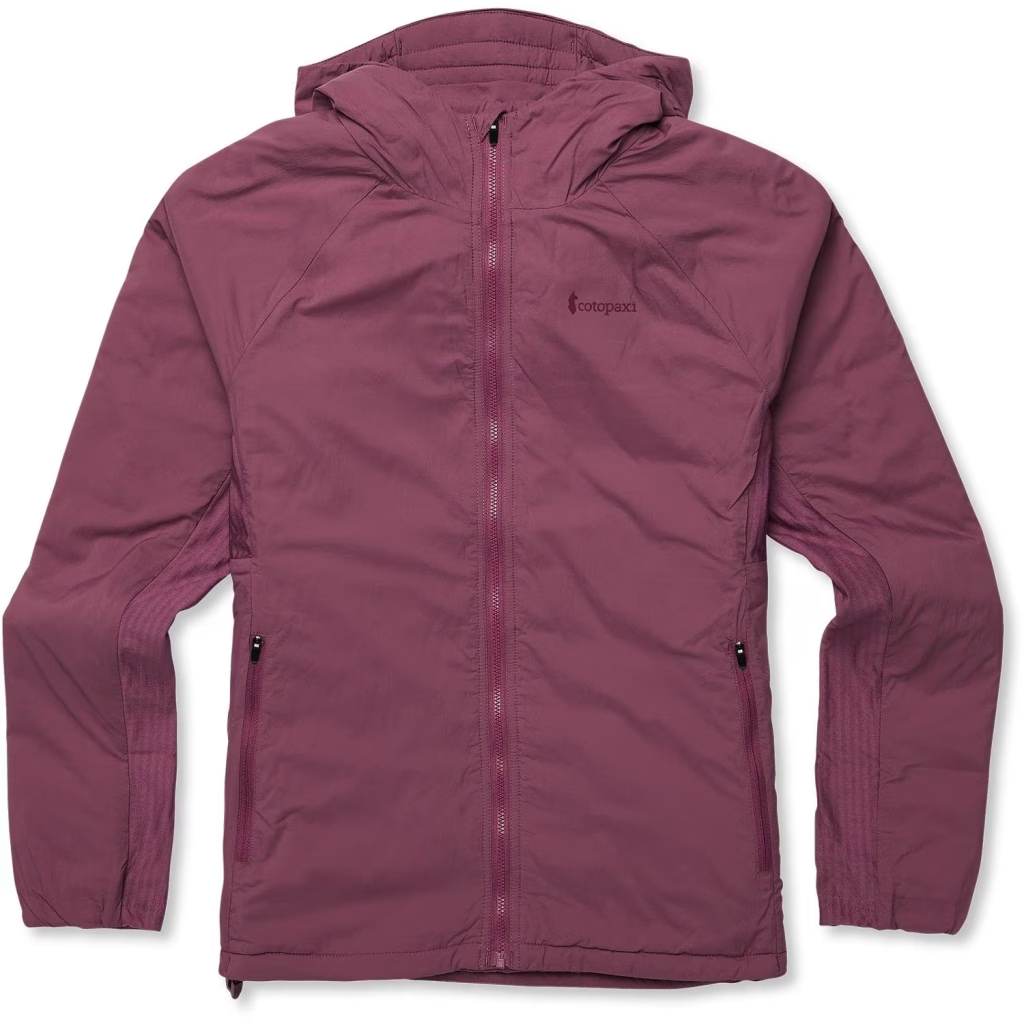
3. Outer Layers (Weather Protection)
Your shell layer protects you from wind and rain.
- Waterproof or water-resistant rain jacket
- Windbreaker for lighter conditions
Pro tip: Even if rain isn’t in the forecast, I almost always bring a shell—mountain weather changes fast.

4. Hiking Bottoms (Options Matter)
I rotate based on the hike and conditions:
- Hiking pants (durable, great for cooler temps or rugged terrain)
- Leggings (comfortable, better for moderate trails or warmer weather)
- Shorts (hot days, but I usually pair with a sun hoodie for balance)
Having options is key—there’s no single “perfect” pant for every hike.
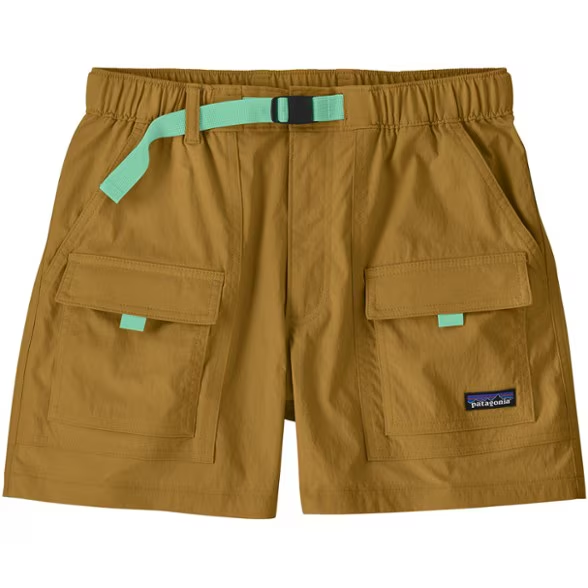
5. Footwear & Socks
- Hiking boots or trail runners depending on terrain
- Wool or synthetic hiking socks (blister prevention is everything)

6. Accessories That Make a Big Difference
- Hat or cap for sun protection
- Sunglasses
- Lightweight gloves (even in shoulder seasons)
- Buff or neck gaiter
- Beanie

Dressing by Season
Summer Hiking
- Sun hoodie or t-shirt
- Shorts or lightweight pants
- Minimal layers, but always bring a light jacket
Focus: Sun protection, breathability, and staying cool.
Fall & Spring (Shoulder Seasons)
- Base layer + fleece
- Hiking pants
- Light jacket or rain shell
Focus: Versatility—temps can swing a lot throughout the day.
Cold Weather / Alpine Conditions
- Thermal base layers
- Insulating mid-layer (fleece or down)
- Waterproof shell
- Hat and gloves
Focus: Layering and heat retention without overheating while moving.
How I Layer (Real Example)
A typical setup for a moderate hike might look like:
- Sun hoodie (base)
- Fleece (mid layer, packed or worn)
- Rain jacket (outer layer, packed)
- Hiking pants
I’ll start cold, warm up while moving, and then layer back up when I stop—this is key to staying comfortable all day.
What I Wear After the Hike
Don’t overlook this—it makes such a difference.
- Clean shirt or sweatshirt
- Comfortable pants or sweats
- Extra socks
There’s nothing better than changing into something dry after a long hike.
Your hiking outfit doesn’t need to be complicated, but it should be intentional. Focus on breathable fabrics, versatile layers, and having options so you can adapt to whatever the trail throws at you.
Once you find a system that works, getting dressed for a hike becomes second nature—and you can spend less time worrying about gear and more time enjoying where you are.
Explore
Work with me
outdoorbrooke@gmail.com
Follow me
Join the Community
Proudly Powered by WordPress


