
Summitting Mount Kilimanjaro: What to Expect & What to Pack
Summiting Mount Kilimanjaro: What to Expect & What to Pack

Standing on the summit of Mount Kilimanjaro is one of those once-in-a-lifetime experiences that challenges you physically, mentally, and emotionally—in the best way possible. But before you get to that iconic summit sign, there’s a lot to know. From choosing the right route to understanding altitude sickness and packing the right gear, preparation is everything.
Kilimanjaro isn’t a technical climb, but altitude is the real challenge. No matter which route you choose, your body will be adjusting to significantly lower oxygen levels over multiple days. That’s why pacing, hydration, and proper acclimatization are key to a successful summit.
Understanding the Routes
There are several routes up Kilimanjaro, each offering a slightly different experience in terms of scenery, difficulty, and acclimatization profile.
- Lemosho Route: One of the most scenic and best for acclimatization. It starts on the western side of the mountain and takes 7–8 days, giving your body more time to adjust.
- Machame Route: Popular and slightly more challenging, often called the “Whiskey Route.”
- Marangu Route: The only route with hut accommodations instead of tents, but less ideal for acclimatization.
- Rongai Route: Approaches from the north and is typically quieter and drier.
I chose the Lemosho Route because it offers a great balance of beautiful scenery, fewer crowds at the start, and a higher success rate due to the longer acclimatization period.
What the Hike Is Actually Like (Day-to-Day)
Each day on Kilimanjaro is completely different, which is part of what makes the experience so unique.
You’ll start in lush rainforest, where the air is humid and everything is vibrant and green. As you gain elevation, the landscape shifts dramatically—into moorlands, then alpine desert, and eventually a cold, rocky summit zone that feels almost otherworldly.
Days are long but manageable. You’ll hike for several hours at a slow, steady pace (“pole pole,” meaning slowly, slowly), take breaks, and arrive at camp in the afternoon. Evenings are for eating, resting, and preparing for the next day.
Summit night is the toughest part. You’ll start hiking around midnight in freezing temperatures, moving slowly uphill in the dark for several hours. It’s physically and mentally challenging—but reaching the summit at sunrise makes it all worth it.

Climbing with Shiri Adventures
I did my climb with Shiri Adventures, and I can’t recommend them enough. Having the right guide company makes a huge difference on Kilimanjaro—not just for logistics, but for safety and overall experience.
The team was incredibly knowledgeable, supportive, and genuinely invested in making sure everyone had the best chance at summiting. They monitored our health daily, kept us motivated, and created such a positive group atmosphere throughout the trek.
From the porters to the guides, everything was well-organized, and you could tell they truly care about both their clients and their staff. If you’re considering climbing Kilimanjaro, choosing a reputable company like Shiri Adventures is one of the most important decisions you’ll make.
What to Bring (Packing Breakdown)
Packing correctly can make or break your Kilimanjaro experience. The key is layering and being prepared for a wide range of temperatures. And cotton is the enemy, focus on merino wool and/or synthetic.
Curious what I personally recommend bringing? I’ve put together all my go-to items here.
Clothing
- Base layers (moisture-wicking)
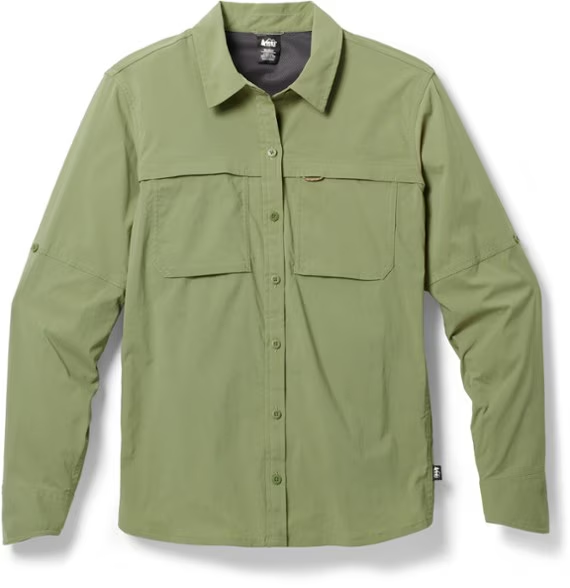
- Sun hoodie (I live in these)
- Insulating layers (fleece or down jacket)
- Waterproof outer layer
- Hiking pants and thermal leggings
- Gloves, hat, and buff
- Warm jacket for summit night (I recommend 700-800 fill)


Footwear
- Broken-in hiking boots with ankle support
- Wool hiking socks (multiple pairs)
- Camp shoes or sandals
Gear Essentials
- Daypack for daily hiking
- Trekking poles (can be rented)
- Headlamp with extra batteries
- Sleeping bag (rated for cold temps and can be rented)
- Sleeping bag liner (I recommend this if you are renting a sleeping bag)
- Pillow (inflatable one)
Hydration & Nutrition
- Reusable water bottles and/or hydration bladder
- Electrolyte packets
- Snacks (especially if you have a specific routine or preferences, but these need to be sealed, unopened when traveling to Tanzania)
Hygiene & Personal Items
- Toothbrush and travel-size toiletries
- Wet wipes or biodegradable wipes
- Hand sanitizer and tissues
- Quick-dry towel
Health & Safety
- Personal medications
- Altitude medication (if prescribed)
- Basic first-aid items (blister care is key)
- Sunscreen and lip balm


Climbing Kilimanjaro is not just about reaching the summit—it’s about the entire journey along the way. The changing landscapes, the camaraderie with your group, and the personal challenge all make it an unforgettable experience.
With the right preparation, a good mindset, and a strong support team, summiting Kilimanjaro is absolutely achievable. Take it one step at a time, trust the process, and don’t forget to look around and take it all in—you’re doing something truly incredible.


